Compare fourteen verified cold press juicers by auger format, hopper workflow, produce preparation, serving capacity, cleanup, and the ownership tradeoff that matters after the first week.
All-in-one auger without a separate juicing screen
Automatic forward and reverse detection
Know before you buy: Its large batch chamber and premium footprint make the most sense when multi-serving, lower-attention juicing is a repeated routine.
Know before you buy: The 19.8-pound vertical system saves horizontal counter length but still needs loading height, bowl-removal clearance, and a deliberate screen-cleaning routine.
Know before you buy: The auger and screen require deliberate feeding and prompt fiber cleanup, while the 24-ounce vessel is better suited to modest home batches than high-volume sessions.
Know before you buy: Its tall 18.27-inch body needs loading clearance, and the exact Amazon CSJ-300 offer should be matched to the current CSJ-300P1 family instructions.
Know before you buy: The very large hopper and multi-strainer kit create a substantial washing, drying, and storage station that is difficult to justify for one small glass.
Know before you buy: Its two feed routes and conventional mesh strainer reward model-specific preparation and prompt brushing; it is not a hands-off batch hopper like AUTO10.
Know before you buy: The hopper reduces active feeding, but the chamber, spinning brush, auger, strainers, outlets, and containers still require a complete hand-cleaning and drying routine.
Know before you buy: Its narrower base is still paired with a 17.2-inch height and 14.8-pound weight, so it should not be confused with a lightweight travel juicer.
Most home cold press juicers use a slowly turning auger to grip produce, compress it against a screen, and separate liquid from pulp. Retailers also use the terms slow juicer and masticating juicer for many of the same machines. Those labels describe the broad extraction family, but they do not tell you how much cutting, active feeding, pulp clearing, or washing a particular model requires.
The useful comparison begins with the physical route through the machine. Look at the feed opening or hopper, auger orientation, screen, juice outlet, pulp exit, bowl capacity, and removable seals. That route determines whether long fibers need shorter pieces, whether soft fruit can bridge in the hopper, whether a large batch requires a pulp pause, and how quickly the screen can be rinsed after use.
Choose the shape before the feature list
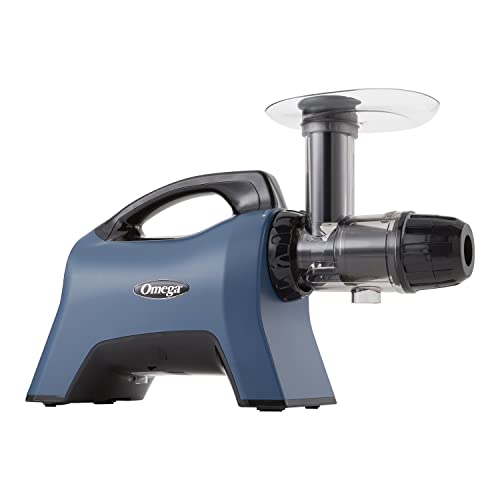
A horizontal cold press system stretches across the counter and usually asks for steady, deliberate feeding. That shape can be especially useful when greens, fibrous ingredients, or extra food-processing functions matter. It also needs more counter length and a clear path for both the juice and pulp containers.
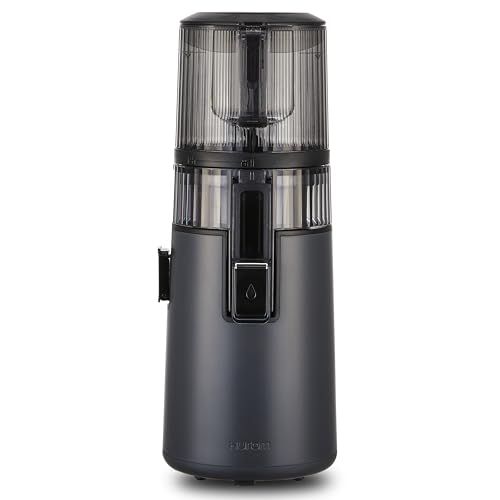
A vertical cold press machine uses less counter width but can be tall beneath upper cabinets. Standard vertical chutes still require active preparation and feeding. Wide-hopper and self-feeding designs shift more work to the bowl: they can reduce repeated cutting and pushing, but the hopper, lid, and larger processing chamber need clearance and washing space. Measure the machine while loading, emptying, and cleaning—not only while stored.
Horizontal: strong ingredient control and versatility, with more counter length.
Compact vertical: smaller width, with height and lid-clearance considerations.
Wide-hopper vertical: lower active prep for compatible produce, with a larger bowl to clean.
Match the machine to the produce you repeat
Celery and other long, fibrous stalks reward a controlled feed path and a pulp outlet that can stay clear. Leafy greens benefit from an auger that can grip small bundles and from pairing leaves with firmer, higher-moisture ingredients when the model guidance permits. Dense roots such as carrots, ginger, and turmeric need manageable pieces and patient feeding rather than force.
Very soft fruit, overripe produce, and berries can create thick pulp or screen buildup when fed alone. Apples, pears, cucumber, and similar high-moisture produce often help mixed recipes move, but pits, stones, hard stems, stickers, and any material excluded by the manual must be removed. A wide opening changes the amount of chopping; it never replaces ingredient inspection or the exact preparation instructions.
Compare preparation honestly
Feed-chute measurements are useful only in context. A conventional chute may require more knife work but create a smaller bowl and straightforward piece-by-piece rhythm. A wide hopper may accept larger compatible pieces or staged ingredients, yet awkward shapes, fibrous stalks, pits, thick rinds, and damaged areas still need attention. Whole-fruit language should never be treated as universal permission.
Before buying, write down one normal recipe and walk through every piece. Note what must be washed, trimmed, pitted, peeled, or shortened. Then compare that preparation with the hopper workflow shown for the exact model. The winning design is the one that removes work from the ingredients you use weekly, not the one with the largest opening on paper.
Pulp control, screens, and finished texture
Cold press juice is not automatically pulp-free. Screen fineness, pulp-control settings, ingredient ripeness, feeding pace, and screen cleanliness all affect body and visible sediment. A machine that offers more than one pulp filter can suit households with different texture preferences, while a single-screen system may be simpler to store and reassemble.
Do not judge a machine from one unusually wet or dry pulp batch. Produce condition and recipe composition matter, and apparent yield can rise when more fine pulp remains in the glass. Decide whether the household prefers a lighter juice or more body, then compare how easily the relevant screen can be brushed from both sides.
Make the cleanup decision before the purchase
A cold press juicer normally asks you to handle the bowl, auger, screen, hopper or lid, containers, seals, and pulp channels after use. Prompt rinsing matters because plant fibers become harder to remove after they dry. The most ownership-friendly design is not necessarily the one with the fewest pieces; reachable mesh, a visible pulp outlet, manageable part size, and intuitive reassembly can matter more.
Dishwasher-safe claims are model- and part-specific. Removable does not mean dishwasher-safe, and the powered base must never be submerged. Check the exact manual for rack placement, temperature, detergent, hand-wash exclusions, seal removal, and brush use. If the normal parts will not fit comfortably in the sink or drying area, the machine is a poor practical match even when extraction performance looks strong.
One glass and family batches need different machines
For one glass, assembly and cleanup can take longer than extraction. Compact dimensions, low retained volume, quick screen access, and easy movement may matter more than a very large hopper. For a multi-serving batch, bowl capacity, pulp-container volume, container placement, continuous-use guidance, and the number of times the workflow must pause become more important.
Do not assume a larger machine is automatically better for a family. A large bowl can reduce active loading but also creates larger food-contact pieces to wash and dry. Compare the amount normally made, not an occasional holiday batch, and follow the model's operating and rest limits rather than inferring duty cycle from motor size or commercial-looking construction.
Noise, counter space, and daily accessibility
Slow auger machines often support a calmer routine than high-speed centrifugal baskets, but no model should be labeled silent without verified evidence. Ingredient hardness, assembly, surface stability, and normal motor sound all affect the experience. Unexpected grinding, electrical odor, leaking near the base, or repeated stalling is a reason to stop and consult the manual.
Measure stored width, operating height, hopper swing, produce-bowl space, pulp-bin removal, cup clearance, cutting-board space, and the path to the sink. A machine left assembled in an accessible station is easier to use regularly than one lifted from a difficult cabinet. The complete station also needs room for washed components to air-dry without blocking the rest of the kitchen.
Price position without stale price claims
Value comes from removing repeated friction, not from choosing the lowest current price or the longest accessory list. A simpler machine can be the better buy when it handles the primary ingredients, fits the counter, and can be rinsed quickly. A premium hopper or multi-function system earns its place only when its extra capacity, loading style, or attachment is used often enough to change the routine.
JuicerPress does not publish static prices because Amazon availability, sellers, configurations, and prices can change. Use the model review to understand the tradeoff, then confirm the exact model number, included accessories, seller, current availability, current price, and return terms on the linked Amazon listing before purchasing.
A practical cold press buying checklist
Start with one primary ingredient and two supporting ingredients. Add the number of servings, preferred texture, maximum cutting time, maximum cleanup time, available working dimensions, storage plan, noise tolerance, and whether the machine must handle another approved food function. Eliminate any model that fails a non-negotiable before comparing secondary features.
Next, inspect the exact model review and current manual. Confirm feed preparation, seals, screen access, containers, operating limits, and what is included. Finally, use the Juicer Finder to test whether another mechanism or format better fits the answers. A good shortlist should explain why each model belongs and what specific tradeoff could send the shopper to an alternative.
Primary produce and realistic serving count
Preparation and active-feeding tolerance
Working counter dimensions and drying space
Screen access, part count, and reassembly
Verified model number, accessories, seller, and current terms
Choose a model pathway
Cold Press Juicers separates the shortlist into 3 practical routes: balanced everyday control, lower-prep and larger-batch loading, compact or smaller-serving routines. Start with the route that matches the dominant routine, then read its exact model review before opening the retailer listing.
Balanced everyday control
Start here when mixed produce and controlled feeding matter. Ninja emphasizes approachable pulp control, EanOruus adds multi-function flexibility, and the horizontal Omega favors deliberate slow-juicing versatility.
These machines prioritize broader hopper workflows or multi-function batch convenience. Compare lid clearance, bowl capacity, part size, and the amount of washing that replaces active chopping.
Use this path when counter width, storage, or one-to-two-person batches matter. Confirm operating height and capacity so a compact body does not become an inconvenient workflow.
The best cold press juicer is the machine whose physical workflow matches the produce, servings, counter, and cleanup routine repeated most often. Choose hopper convenience, horizontal versatility, compact dimensions, or pulp control for a specific reason; then verify the exact model and current Amazon listing before buying.
Use the Juicer Finder to test the ingredient, routine, space, and budget decision before purchasing.
Frequently asked questions
Are cold press and masticating juicers the same?
The terms commonly overlap for household auger juicers. Compare the actual auger orientation, hopper, screen, pulp exit, capacity, and intended workflow rather than relying on either label alone.
Is a wide-hopper cold press juicer better?
It can reduce active cutting and feeding for compatible produce, but it usually needs more operating clearance and has a larger bowl to wash. It is better only when preparation is the household's main obstacle.
Do cold press juicers remove all pulp?
No. Screen design, pulp settings, ingredient condition, and feeding pace affect texture. Some fine pulp or sediment can remain, so compare the desired texture and screen-cleaning routine.
Which cold press juicer is easiest to clean?
The easiest model is the one whose screen, pulp outlet, seals, and food-contact parts are reachable, manageable in your sink, and simple to reassemble. Dishwasher use must be verified for each exact part.
Can cold press juicers handle celery and leafy greens?
Many auger models are suited to fibrous produce and greens, but cutting, bundling, feed sequence, and screen cleaning remain model-specific. Follow the exact manual and stop rather than forcing a clog.